A Chesterfield Man Ignored a Lump for Eight Months. It Was Breast Cancer.
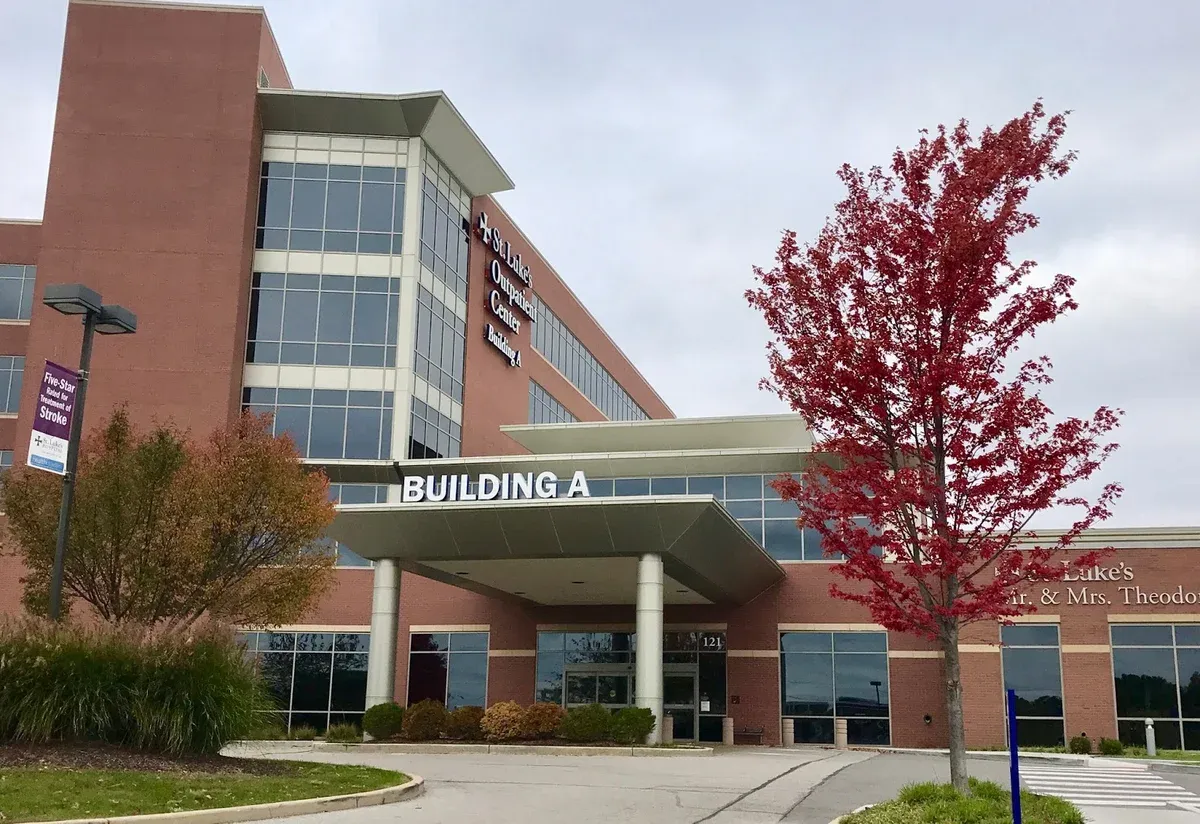
Tommy Wright felt the knot behind his right breast for eight months. He dismissed it as a cyst. By the time doctors at St. Luke's Hospital confirmed his diagnosis in August 2024, it was Stage 2 invasive ductal carcinoma. Wright, a Chesterfield resident, had breast cancer.
"I thought, 'eh, it's nothing but a cyst,'" Wright told KMOV. "It's just something about being a man, you don't think about it."
Wright's case followed a trajectory that researchers have documented for years: notice something, assume it's nothing, wait. A 2020 study in Cancer Medicine found that male breast cancer patients wait an average of 12.4 months from first noticing symptoms to seeking medical help. More than 83% of men in that study didn't know breast cancer could happen to them. Over 90% reported feeling embarrassed when symptoms appeared.
Mastectomy, chemo, remission
In September 2024, one month after his diagnosis, Wright underwent a single mastectomy. Four rounds of chemotherapy followed. By January 2025, he was in remission.
His wife Debbie was beside him through all of it.
"It was surreal. It's like men don't get breast cancer," Debbie Wright said. "To see the one you love going through such a trying time and you're helpless. He's always taken care of me, so it was my turn to take care of him."
The couple now returns to St. Luke's Hospital every six months for follow-up screenings.
A rare cancer with outsized risk
Male breast cancer accounts for less than 1% of all breast cancer diagnoses in the United States. About 2,670 men will be diagnosed with invasive breast cancer in 2026, and roughly 530 will die from it, according to Breastcancer.org. The American Cancer Society puts a man's lifetime risk at about 1 in 755.
But that rarity contributes to worse outcomes. Men diagnosed with breast cancer face a 19% higher chance of dying within five years than women with the same disease, according to a study published in JAMA Oncology. The reason isn't biology alone. A larger share of men are diagnosed at advanced stages because they never considered breast cancer a possibility and delayed seeking care.
When caught at the earliest localized stage, male breast cancer has a 97% five-year survival rate, according to the American Cancer Society. Wright's Stage 2 diagnosis and subsequent remission place him in a favorable position, though he and Debbie will continue their twice-yearly screenings at St. Luke's indefinitely.
The American Cancer Society lists five warning signs men should watch for: a lump or swelling in the breast, skin dimpling or puckering, nipple retraction, redness or scaling of the nipple or breast skin, and nipple discharge.
Speaking out at St. Luke's
Wright shared his story publicly at St. Luke's Hospital's Survivorship Celebration, held June 13 at the Desloge Outpatient Center on St. Luke's Center Drive in Chesterfield. The free event brought together cancer survivors and those still undergoing treatment.
Wright's message to other men was direct.
"Don't ignore anything. If I can get it, you can get it, and the thing is, most guys get diagnosed late. There's nothing to be ashamed of. We're all human. Please, please don't ignore it."
Newsletter
Get the Valley in your inbox
Fresh local stories from Chesterfield, Wildwood, and Eureka, sent as we publish.